Continuing second chances
The most striking needs were the young people's desire for a sense of belonging as well as the need for consistent, trustworthy relationships with adults and their peers.
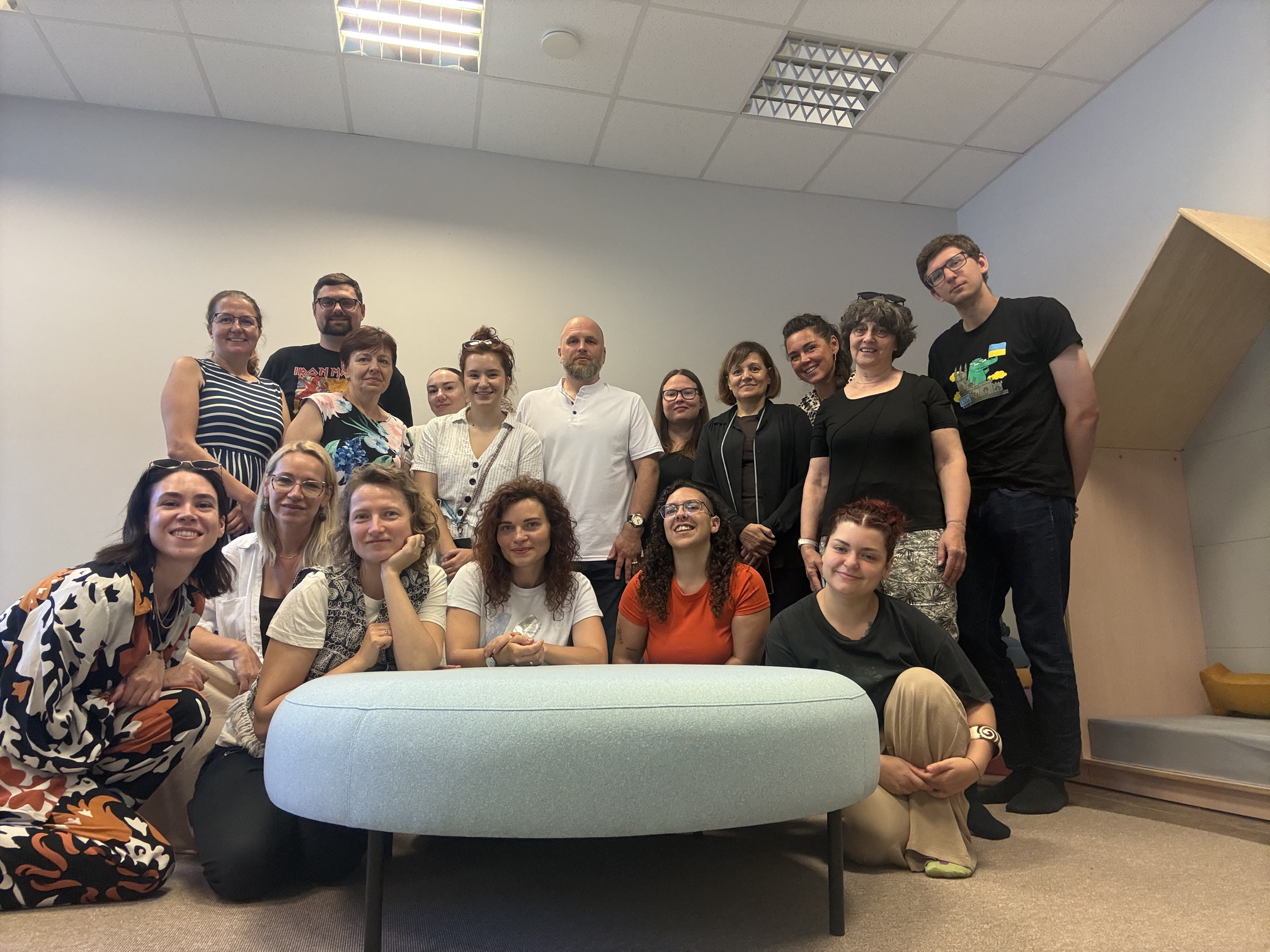
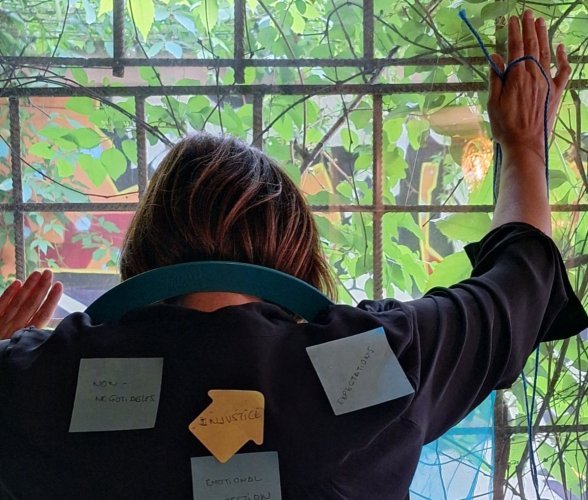
This was one of the observations made by our guests following the training, during which we visited the Probation Service, Liepaja Prison and the SAIF Kurzeme Family Support Centre “Liepaja”. During this training, participants also had the opportunity to learn various creative methods for working with the target groups of these institutions. After all, these are also our target groups.
We were visited by professionals who work with young people in the Czech Republic, Spain and Croatia. Many of them work within the out-of-home care system, whilst others work with migrants and other young people with limited opportunities. These are young people with various ‘labels’ – troubled youths, street children, prisoners and others whose behaviour will not lead to a good outcome. Yes, life is hard for these young people. Working with them is difficult too. Yet, at the end of the day, they were all children once. And more often than not, they are children who have not received enough love, support or understanding. They are children who have felt unwanted, superfluous, unnecessary, a nuisance. And at some point, some of them came to accept these feelings as part of their identity.
During the training, participants had the opportunity to share just how challenging this support work – which is often voluntary – can be. They also drew inspiration from one another and learnt about non-formal education methods that could enrich their work.
An important part of the training involved visits to the institutions mentioned earlier. Although I have lived in Liepāja for over a decade, I was certainly one of the people who benefited most from these visits. We are doing such wonderful work in Latvia! Yes, there are still many different challenges at the new prison. Yes, the probation service is still looking for new ways to work with its clients, particularly young people. Yes, SAIF mentors keep coming back to the same issues when meeting with young people. However, the authorities acknowledge that we have problems; the state and local authorities have allocated funding, and people who care and are willing to get involved are seeking new solutions, educating themselves, supporting one another and trying to be the supportive adults that a young person may have lacked in their life.
The youth workers have now returned to their home countries and are trying out the methods they have learnt and putting them into practice in their work. We look forward to hearing their feedback!
Funded by the European Union. The opinions and views expressed reflect the author’s views only and do not necessarily reflect those of the European Union or the Agency for Mobility and EU Programmes. Neither the European Union nor the granting body can be held responsible for them.