Ana's story in Kuldiga
Kuldīga became home for a few months for Ana, a European Solidarity Corps (ESC) volunteer from Georgia. Here is Ana's story about her experiences in the project.
New Environment and First Impressions
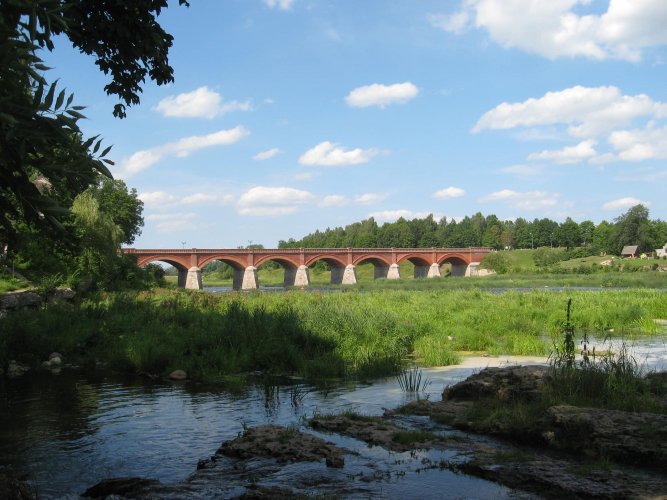
I didn't have any specific expectations when I started this project, as it was my first time doing something like this. Looking back, it was one of the best decisions I’ve made. Kuldīga is a great place to live—the historical architecture and surrounding nature encouraged me to go for walks every day. The local people were friendly, which made it easy to integrate into the community.
My Initiatives: Student Club and Tours
During the project, I had the chance to implement my own ideas. My main goal was to start a weekly club for students to hang out, talk, and do activities together. I’m happy this happened! I also organized a historical tour of Kuldīga, and it was cool to see that even long-term residents learned something new about their town.
What Did I Gain?
This project helped me become more open. I improved my public speaking and learned how to collaborate better in a team. While I used to find it hard to talk to new people, I feel much more confident now.
There were challenges too—due to visa issues, I had to go back to Georgia for a month. It was stressful, but it made me realize how much I valued the project and how much I wanted to come back and finish it.
Winter and Culture
I felt comfortable with Latvian culture because of the similarities to Georgia. One of my favorite parts was the Latvian winter. Since I like snow and cold weather, it was great to experience a real winter, which isn’t very common in my home city.
Why Try ESC?
I definitely recommend ESC projects to others. It’s a good way to explore a new country, learn more about yourself, and meet new friends. I’d love to visit Kuldīga again in the future.
Funded by the European Union. Views and opinions expressed are however those of the author(s) only and do not necessarily reflect those of the European Union or the National Agency. Neither the European Union nor the granting authority can be held responsible for them.